Time:
Nigeria continues to grow as one of Africa's most dynamic household and food-service markets. With more than 200 million people and a rapidly urbanizing population, the country shows increasing demand for practical, safe, and affordable food-packaging solutions. As a result, aluminium foil Nigeria has become an essential product in supermarkets, catering companies, bakeries, restaurants, and homes. Whether for cooking, grilling, preserving food, or packaging take-away meals, aluminum foil plays a vital role in daily consumer behavior.
In recent years, retail chains and food-service operators have expanded aggressively across major cities such as Lagos, Abuja, Kano, and Port Harcourt. These businesses require reliable suppliers that provide stable quality and competitive prices. Therefore, understanding aluminium foil price in Nigeria becomes extremely important for importers and distributors.
The purpose of this article is to help Nigerian buyers understand the major pricing factors, local demand trends, common specifications, and sourcing strategies. Whether you are a wholesaler, supermarket owner, kitchenware distributor, or catering supply importer, this guide will help you secure the best aluminum foil price in Nigeria while maintaining consistent product quality.
The Nigerian market has witnessed substantial growth in modern trade stores, including large supermarket chains such as Shoprite, Justrite, Addide, and Market Square. These stores stock household aluminum foil rolls as a standard kitchen item. At the same time, catering companies, hotels, bakeries, and roadside food vendors increasingly rely on aluminum foil for meal preparation and packaging.
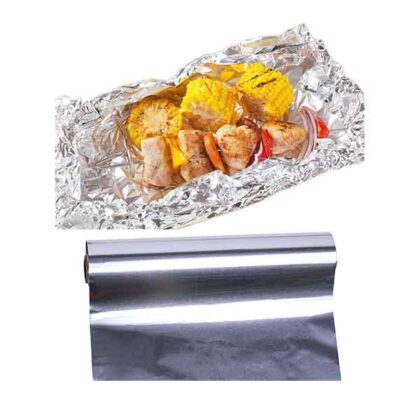
Consumers in Nigeria use aluminum foil daily for grilling fish and meat, baking pastries, roasting chicken, storing leftovers, and preparing party meals. Therefore, the demand for both household roll foil and catering foil continues to rise.
Several product types contribute to overall consumption trends:
Because of these strong consumption habits, importers must often maintain high inventory levels. This situation makes it essential to understand cost fluctuations and negotiate competitive pricing.
With this demand in mind, it becomes easier to analyze aluminium foil price in Nigeria and the factors that influence it.
Aluminum foil is produced primarily from aluminum ingots, and the global price of aluminum is determined by the London Metal Exchange (LME). When LME aluminum prices rise, manufacturers pay more for raw materials, which directly affects the final aluminum foil price in Nigeria.
For example, when LME increases by USD 50–150 per ton, it often results in a noticeable change in the cost of finished foil. Since most Nigerian importers buy from China or the Middle East, exchange rates and LME movements combine to determine their landed cost.
In short, raw material cost is the foundation of aluminium foil price in Nigeria.
Next, width, length, and thickness significantly influence cost. Thicker foil consumes more raw material, while longer rolls require more meters of foil, increasing the total cost.
Because Nigeria sells a wide range of foil lengths and widths, importers must choose specifications that match their target customer, whether wholesale, retail, or food service.
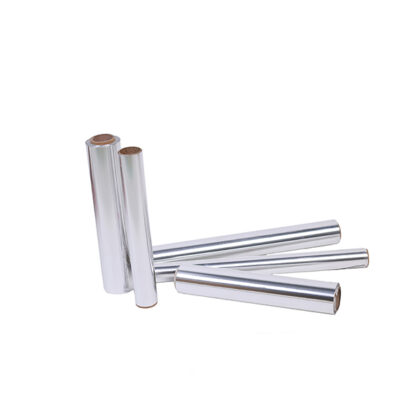
Aluminum foil roll sizes always affect the aluminum foil price in Nigeria. The following features cause price variation:
Customization—especially for supermarkets—typically increases cost but boosts perceived value and helps retail brands stand out.
Shipping and logistics play a major role in aluminium foil price in Nigeria. The country relies heavily on imported foil, especially from China, so freight rates significantly impact the final landed cost.
Key cost components include:
When the Nigerian naira weakens, importers pay more in local currency—even if the product price remains stable in USD. This volatility is one of the major challenges for Nigerian distributors.
Bulk purchasing is one of the easiest ways to reduce aluminium foil price in Nigeria. Since aluminum foil production benefits from economies of scale, larger orders help manufacturers streamline production, reduce per-unit packaging costs, and offer better pricing.
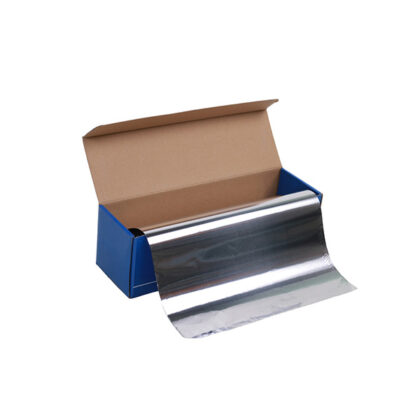
Another influencing factor is packaging design. Premium color boxes and professional artwork cost more than simple brown boxes, but they improve shelf visibility and enable higher retail pricing.
For Nigerian supermarkets looking to build private-label brands, attractive packaging plays a key role in customer perception.
Below are the most popular specifications sold across supermarkets, wholesalers, and catering suppliers.
| Type | Width | Length | Thickness | Usage |
| Household Aluminum Foil | 30cm | 5m, 8m, 10m, 20m, 30m | 9 - 12 mic | Retail kitchens, supermarkets |
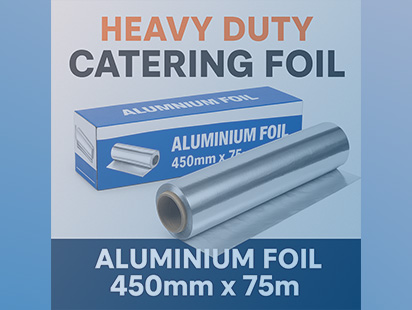
| Catering Aluminum Foil | 30cm/45cm | 50m - 300m | 12 - 20 mic | Restaurants, hotels, bakeries |
| Heavy Duty Aluminum Foil | 30cm/45cm | 150m - 300m | 15 - 20 mic | Grilling, roasting, commercial kitchens |
Catering suppliers in Lagos and Abuja frequently request 45cm × 150m and 45cm × 300m, while supermarkets often prefer 45cm × 10m or 30cm × 30m household foil. Among them, the most popular aluminum foil in Nigeria is 49.2 sq ft (45cm x 10m x 14/15/18mic).
Local converters also buy jumbo rolls to cut into smaller sizes.
The Nigerian market includes several recognizable retail brands:
These brands focus on household rolls, emphasizing ease of use, food preservation, and affordability. Importers supplying to supermarkets often benchmark pricing and packaging against these brands.
Although prices fluctuate, the following ranges give a reference point for buyers monitoring aluminium foil price in Nigeria.
Estimated Wholesale Prices (2025)
Retail Prices (Supermarkets)
Retail prices are typically 20–40% higher due to handling, storage, and branding.
Keep in mind that these numbers change monthly. Raw material costs, shipping rates, and NGN–USD exchange rates cause significant fluctuations in aluminum foil price in Nigeria.
Therefore, importers should always request updated quotations before placing new orders.
When importing aluminium foil Nigeria, you should verify the following:
High-quality foil reduces customer complaints and improves brand reputation.
Packaging has a strong impact on sales performance in Nigeria. Importers should consider:
Supermarkets prefer colorful and glossy packaging, while wholesalers often choose plain but low-cost boxes.
Choosing the right supplier is crucial. You should evaluate:
Working with a professional manufacturer helps maintain cost stability in a competitive market.
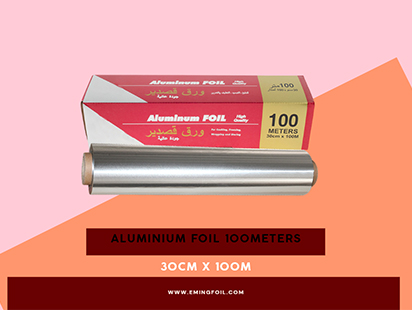
Zhengzhou Eming Aluminium Industry Co., Ltd. is a specialized manufacturer of household aluminum foil, serving distributors and supermarkets across Africa, the Middle East, and South America. Nigerian importers choose us because we offer:
Because we monitor raw material markets and optimize production schedules, we help customers control aluminium foil price in Nigeria even when aluminum ingot prices fluctuate.
Our team also understands Nigerian wholesale and retail preferences, which helps distributors build winning brands.
Getting a quotation from Zhengzhou Eming Aluminium is simple and fast:
We also offer market-based pricing to help buyers stay competitive in their regions.
Understanding aluminium foil price in Nigeria is essential for importers who want to stay profitable in a fast-growing market. Raw materials, roll specifications, packaging options, order quantities, and shipping costs all influence the final price. By choosing the right supplier and monitoring monthly price trends, Nigerian distributors can secure stable supply and serve supermarkets, wholesalers, and food-service businesses effectively.
As demand continues to increase across Nigeria's retail and catering sectors, importers have a strong opportunity to grow their business. To get the best aluminum foil price in Nigeria, request an updated quotation and work closely with a reliable manufacturer that understands the local market.
Related News
Get A Free Quote


Submit Request
