Time:
Aluminium foil plays a vital role in Ghana's food, catering, retail, and household sectors. From local markets to large supermarkets, consumers rely on aluminium foil daily for cooking, food storage, and packaging. Therefore, understanding the aluminium foil price in Ghana is critical for importers and distributors who want to remain competitive.
However, aluminium foil pricing does not depend on a single factor. Instead, prices fluctuate based on raw material costs, foil thickness, roll size, packaging style, freight rates, and supplier origin. Moreover, changes in global aluminum ingot prices and shipping conditions directly influence landed costs in Ghana.
In this guide, Zhengzhou Eming, as a professional aluminium foil manufacturer, will lead you learn how aluminium foil prices are structured in Ghana, which sizes sell best, what importers should consider before placing orders, and how to reduce sourcing risks while protecting margins.
First of all, Ghana's aluminium foil consumption continues to grow steadily. Urbanization, rising middle-class income, and increased demand for packaged food all drive this growth. Additionally, the catering and hospitality industries rely heavily on aluminium foil for takeaway meals, grilling, and food preservation.
At the same time, household foil remains a fast-moving consumer product. Retailers stock multiple roll sizes to serve different income groups and usage scenarios. As a result, importers must carefully balance pricing, quality, and size assortment.
Unlike some raw aluminum products, Ghana does not produce household aluminium foil locally at scale. Consequently, importers source most aluminium foil from overseas manufacturers, especially from Asia, like China.
Because of this reliance, the aluminium foil price in Ghana closely follows international aluminum prices, exchange rates, and ocean freight costs. Therefore, importers who understand global supply dynamics gain a significant advantage.
To begin with, aluminum ingot prices directly affect foil production costs. When global aluminum prices rise, foil manufacturers increase export prices accordingly. Conversely, when aluminum prices fall, importers can negotiate better rates.
Since foil margins are relatively thin, even small changes in raw material prices can significantly impact the final landed cost in Ghana.
Next, thickness plays a major role in pricing. Thicker foil uses more aluminum per square meter, which increases cost. Although Ghana’s household foil market mainly uses standard thickness ranges, even small variations influence price competitiveness.
Heavier rolls may offer better durability, but they also raise shipping weight and import costs. Therefore, importers must balance strength and affordability carefully.
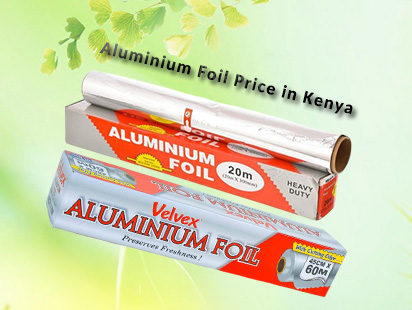
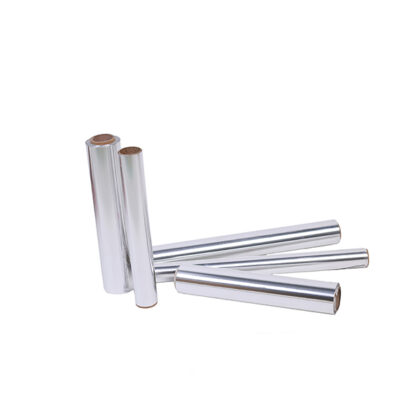
Roll length and width strongly affect aluminium foil price in Ghana. Larger rolls cost more per unit but often deliver lower cost per square foot. As a result, wholesalers and caterers prefer long rolls, while retail consumers often choose smaller packs.
Popular sizes in Ghana include:
Each size targets a different customer segment, which directly impacts pricing strategy.
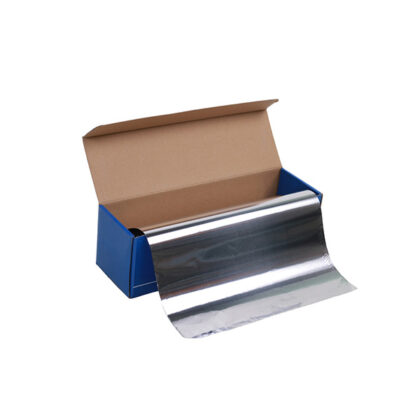
In addition, packaging significantly influences cost. Plain bulk packaging costs less, while printed color boxes with branding increase unit price. However, branded packaging also supports higher retail prices and stronger shelf presence.
Importers targeting supermarkets often invest in attractive packaging to improve turnover. Meanwhile, distributors serving open markets may prioritize cost efficiency.
Furthermore, freight charges play a crucial role in the aluminium foil price in Ghana. Ocean freight rates fluctuate due to fuel costs, container availability, and global trade conditions.
Because aluminium foil is relatively lightweight but bulky, efficient packing and container optimization can reduce shipping cost per roll. Importers who work with experienced exporters benefit from better loading efficiency.
Finally, local taxes, port handling charges, customs clearance fees, and inland transportation all contribute to the final selling price. These costs vary depending on shipment size and clearance efficiency.
This small-size roll targets low-income households and trial buyers. Retailers often sell it at affordable price points, making it ideal for high-volume turnover. However, margins per unit remain relatively low.
This size offers a balance between affordability and usability. Many Ghanaian households prefer it for everyday cooking. As a result, distributors consider it a steady-selling SKU.
Moving to mid-range consumption, this size attracts families and frequent home cooks. Importers often price it competitively to increase repeat purchases.
This roll suits both households and small food businesses. Because it offers better value per square foot, it often delivers higher margins when positioned correctly.
This large-size roll mainly targets catering services and small restaurants. Although the unit price is higher, buyers appreciate the cost efficiency over time.
This size focuses on commercial kitchens and professional users. It moves mainly through wholesalers rather than retail shelves.
This wider roll serves high-volume food service operations. Since it consumes more aluminum, it commands a higher price but remains popular among caterers.
Wholesale aluminium foil prices in Ghana depend largely on container volume and SKU mix. Importers who purchase full container loads enjoy better per-unit pricing. Additionally, combining multiple sizes in one shipment can optimize container utilization.
Retail prices reflect not only import cost but also branding, shelf positioning, and consumer perception. Retailers often accept higher prices for visually appealing packaging and consistent quality.
Therefore, importers must align sourcing strategy with their target sales channel.
First and foremost, selecting a reliable manufacturer directly affects product consistency and pricing stability. Manufacturers with in-house rolling, slitting, and packaging lines control costs better than traders.
Moreover, experienced exporters understand Ghana's market requirements and packing preferences.
Instead of importing too many sizes, focus on fast-moving SKUs such as Aluminium Foil 25 SQ.FT, 75 SQ.FT, and 150 SQ.FT. This strategy reduces inventory pressure and improves cash flow.
Larger orders unlock better pricing. Even modest increases in order volume can significantly reduce per-unit cost. Therefore, consolidating orders across customers often makes financial sense.
Keeping an eye on global aluminum prices allows importers to time purchases strategically. When raw material prices soften, importers can secure more favorable contracts.
Uneven thickness leads to tearing and customer complaints. Although lower-quality foil may appear cheaper initially, it damages brand reputation and increases returns.
Importers must ensure foil meets food-contact safety standards. Certified materials protect distributors from regulatory risk and build trust with buyers.
Strong outer cartons reduce damage during transport and handling. Fewer damaged goods mean lower hidden costs.
Many Ghanaian distributors source aluminium foil from China due to competitive pricing, stable quality, and wide size availability. Chinese manufacturers benefit from integrated aluminum supply chains and advanced production equipment.
Additionally, manufacturers can customize roll sizes, packaging designs, and branding to suit Ghana's market needs. This flexibility gives importers greater control over pricing and positioning.
Looking ahead, aluminium foil demand in Ghana will continue to rise alongside population growth and food industry expansion. Although raw material prices may fluctuate, long-term consumption remains strong.
Importers who establish stable supplier relationships and adapt quickly to cost changes will maintain profitability. Moreover, investing in branding and product differentiation can protect margins even during price volatility.
In conclusion, the aluminium foil price in Ghana depends on a combination of raw material costs, foil specifications, packaging choices, freight rates, and local import expenses. Importers and distributors who understand these variables can price products more effectively and stay competitive.
By selecting the right sizes, optimizing order volumes, and partnering with reliable manufacturers, Ghanaian importers can secure consistent quality and stable supply. Ultimately, informed sourcing decisions lead to stronger margins and long-term business growth in Ghana's expanding aluminium foil market.
Want to know about aluminum foil prices in other African countries? See details at: Aluminium Foil Price in Nigeria.
Related News

Get A Free Quote


Submit Request
